
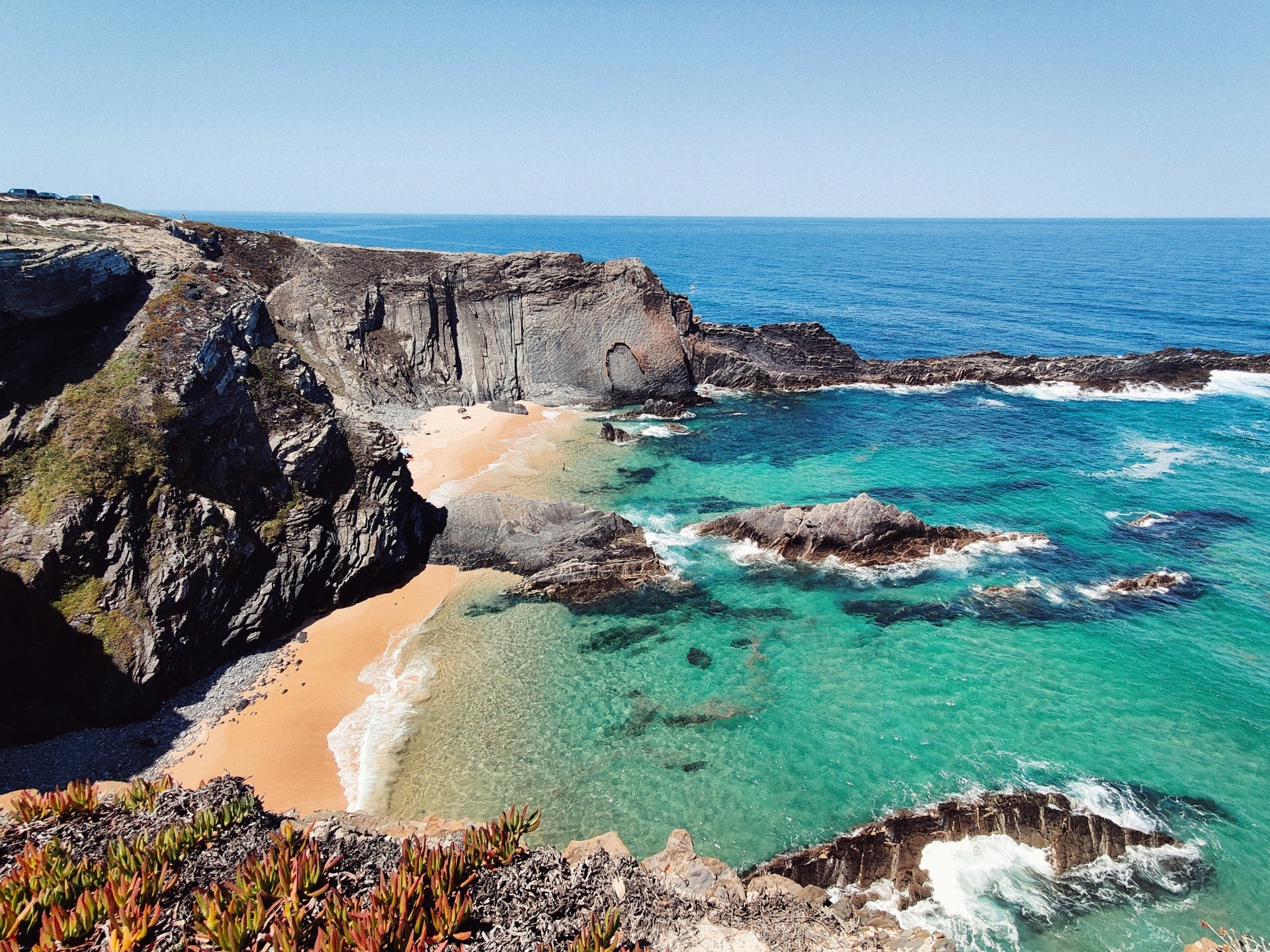
Why Autumn Is the Best Time to Visit Portugal
Ask most people when to visit Portugal and they'll say summer. Our team's answer is different: September through November. Autumn in Portugal is something of a secret season — the temperatures are still warm, the Atlantic is at its calmest, and the country has its character back. The beaches are quiet, the restaurants aren't packed, and you can actually have a conversation with the people who live there.
Here's why autumn has become our team's favourite recommendation for Polish travellers making their first trip to Portugal.
Weather and What to Pack
September is effectively a continuation of summer in Portugal. Lisbon and the Algarve regularly hit 25–28°C, and the evenings are warm enough to sit outside comfortably until midnight. The Atlantic water temperature — typically 21–23°C in September — is ideal for swimming.
October brings a gradual shift. Temperatures settle in the 20–24°C range during the day, dropping to around 15°C at night. You'll want a light jacket for evenings, but daytime sightseeing is entirely comfortable in a t-shirt.
November is the transition month. The north of Portugal — Porto, the Minho — gets Atlantic rain, and temperatures drop to 15–18°C. The south (Lisbon, Alentejo, Algarve) stays drier and milder, making it still genuinely pleasant.
What to pack: Light clothing for days (t-shirts, light trousers), one medium-weight jacket or cardigan for evenings. A small packable rain jacket is sensible for November, especially in the north. Comfortable walking shoes — Portugal's cobblestones reward good footwear.
Book flights and accommodation for early October at least six weeks ahead. This window — after the summer rush but before the November slow season — is increasingly popular with European travellers who have discovered what our team has known for years.
Harvest Festivals
Autumn in Portugal is festival season, and several of the country's most distinctive celebrations happen in these months.
Vindima (grape harvest) in the Douro Valley runs from mid-September through October. Quintas — the wine estates — open their doors for harvest activities, some still including traditional foot treading. The valley turns extraordinary shades of gold and red. If you have any interest in wine, this is the single best time to visit the Douro.
Chestnut festivals (festas das castanhas) happen throughout October and November across northern and central Portugal. The most celebrated is São Martinho on November 11th — Saint Martin's Day — when roasted chestnuts are sold everywhere, and the new wine from the recent harvest (called jeropiga in some regions, água-pé in others) is traditionally tasted for the first time.
Óbidos Chocolate Festival runs in October and draws visitors to one of Portugal's most picturesque medieval walled towns. It's a genuine local event, not a tourist contrivance — the town produces chocolate in unusual combinations (with ginjinha cherry liqueur, with local honey) that are worth tasting.
Prices Drop Significantly
This is perhaps the most practical argument for autumn travel. Flight prices from Warsaw, Kraków, and Gdańsk to Lisbon and Faro typically fall by 30–50% once the school holidays end in late August. Hotel rates follow a similar pattern.
A four-night city break in Lisbon in September or October can easily cost 40–45% less than the same hotel in July — for the same room, the same city, with better weather and fewer people.
Our team consistently finds that clients who travel in autumn get significantly more out of their budget than those who go in peak summer. The money saved on accommodation and flights often covers a wine tasting in the Douro or a day trip to Sintra.
Best Autumn Experiences
Autumn ties naturally to the kinds of experiences our team arranges:
- Wine and food tours: The Douro harvest is the obvious highlight, but the Alentejo wine region is equally spectacular in autumn, with cork harvest activity alongside grape picking.
- Surfing: September and October bring the first proper Atlantic swells of the season. Water temperatures are still comfortable, making this an ideal time for surf camps — conditions good enough for progression, warm enough to stay in the water all morning.
- Hiking and walking: The Rota Vicentina coastal trail and the Camino de Santiago routes through northern Portugal are far more pleasant in October temperatures than in August heat.
- City breaks: Lisbon and Porto are the most enjoyable when they're not at summer capacity. Queues at the major viewpoints are shorter, restaurant reservations easier to get, and the light in October and November is extraordinary — warm and golden in a way that makes everything look beautiful.
How We Can Help
Our team designs autumn packages specifically to make the most of the season. Whether you're coming for the harvest in the Douro, a surf camp in the Algarve, or a city break in Lisbon, we build itineraries that take advantage of autumn's strengths — lower prices, local festivals, and a Portugal that feels like it belongs to itself again.
Get in touch with your dates and interests, and we'll show you what autumn here looks like.